A Look at Integrated Security Systems for Home and Business
Smarter Protection Through Unified Technology
Security needs have evolved. Homeowners and business owners today expect more visibility, faster response times, and greater control over what’s happening on their property. As risks become more complex, security solutions have had to become more sophisticated as well.
Integrated security systems are designed to meet those growing demands. Understanding how these systems function and why they matter can help property owners make more informed decisions about their safety. So let’s take a deeper look at these integrated security systems and how they benefit both homes and businesses.
What “Integrated” Really Means in Modern Security
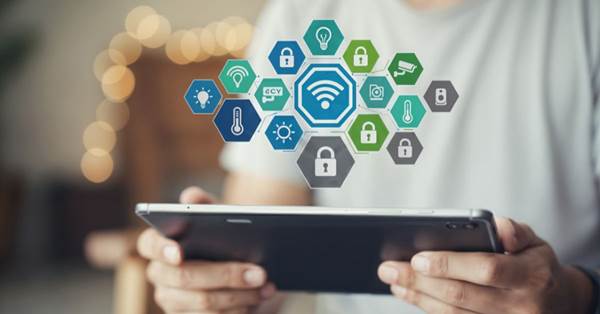
An integrated security system connects multiple technologies together, so they communicate in real time. Instead of functioning as isolated tools, fire alarms, intrusion detection, surveillance cameras, and access control systems work together through a centralized interface.
This unified approach allows users to monitor activity, receive alerts, and manage settings from a single dashboard, often accessible through desktop or mobile devices. When systems share data, security becomes proactive rather than reactive. Information flows instantly between components, creating a more responsive and intelligent environment.
How Integration Improves Response and Decision-Making
Integration strengthens response times and improves decision-making during critical events. For example, if an intrusion alarm is triggered, connected cameras can automatically begin recording and send live footage to authorized users or monitoring personnel. In commercial settings, certain doors may automatically lock to limit access to sensitive areas.
Cross-system communication also reduces false alarms. When video, motion detection, and access logs confirm activity, security teams can verify incidents quickly and respond appropriately. This streamlined coordination enhances communication with monitoring centers and first responders, minimizing delays and improving overall safety outcomes.
Scalability and Future-Proofing Your Security Investment
When looking at integrated security systems for homes and businesses, one of the key advantages becomes very evident: flexibility. For instance, users can more easily add new devices without replacing the entire infrastructure. As technology evolves, cloud-based updates and remote management tools help keep systems up to date.
For both homeowners and business owners, integration supports long-term efficiency. A unified system reduces redundancy, simplifies maintenance, and provides a foundation that can adapt to future security needs.
Design Considerations for Homes vs. Businesses
While the core technology may be similar, home and business security system design varies based on property type and risk profile. Many residential systems prioritize simplicity, remote access, and life safety. Homeowners benefit from intuitive controls and the ability to monitor their property from anywhere.
In many cases, commercial properties require more layered protection. Businesses may need advanced surveillance coverage, multiple access levels for employees, and scalable infrastructure that can adapt as operations grow. Managing numerous entry points and user permissions requires thoughtful planning to ensure security remains strong without disrupting daily workflows.